Strength and muscle tone
Plus stretches and exercises to continue at home.

Arthritis
Stiffness, achy pain and mild swelling after inactivity are common as we age — and no one drug or therapy alone is likely to fix them. A comprehensive approach can go a long way toward easing symptoms.
More Than Low Back Pain
One of the biggest misconceptions about chiropractic is that it's only useful for acute, non-specific low back pain. Neck pain, disc injuries, arthritis of the spine, knee pain, shoulder pain and carpal tunnel are seen quite commonly in our office.
Research on chiropractic for these conditions usually looks at manipulation alone — yet many musculoskeletal conditions have a significant soft-tissue component that joint manipulation can't address. So when a study shows a positive effect from manipulation alone, we can be confident that with competent soft-tissue work added, real-life outcomes will be even better.
How We Help
We focus on care that doesn't involve prescription medications or invasive procedures. Medications can help in some cases, but shouldn't be the only approach.
Plus stretches and exercises to continue at home.
Reducing inflammation and pain in the joints.
Guidance for overall wellness, not just the sore joint.
The Research
In one study, researchers looked at 40 men diagnosed with degenerative lumbar disease at L5-S1. Half received a single adjustment (an L5-S1 “pull move”); the other half received no treatment. They were then measured for:
What It Means
Critics might say a single treatment doesn't mean anything long-term. But what medical treatment for degenerative disc disease is anything other than temporary — and how many come with only a very small list of minor side effects? Even if chiropractic provided no long-term benefit, if you suffer from chronic low back pain, even a single day's relief is valuable. And from personal experience, a full course of care can produce very strong results.
Knee Osteoarthritis
Osteoarthritis is the most common type of arthritis, and the knee is one of the most affected joints. Joints normally go through cycles of damage and repair, but sometimes the repair process changes their structure and shape. Cartilage — the smooth, slippery surface covering the ends of the bones, plus the two meniscus rings that spread your weight across the knee — becomes thin and rough, so the knee no longer moves smoothly and feels stiff and painful.
Osteoarthritis can affect people of all ages but is seen more often in women over 50. Trauma, injuries, other joint problems, genetics and excess body weight all raise the risk. Pain may be worse at the end of the day, when you rise from sitting or lying down, or on stairs; the knee may not bend or straighten as far as it should, and it may crackle, pop, click or creak. You'll likely have good days and bad days.
A Comprehensive Approach
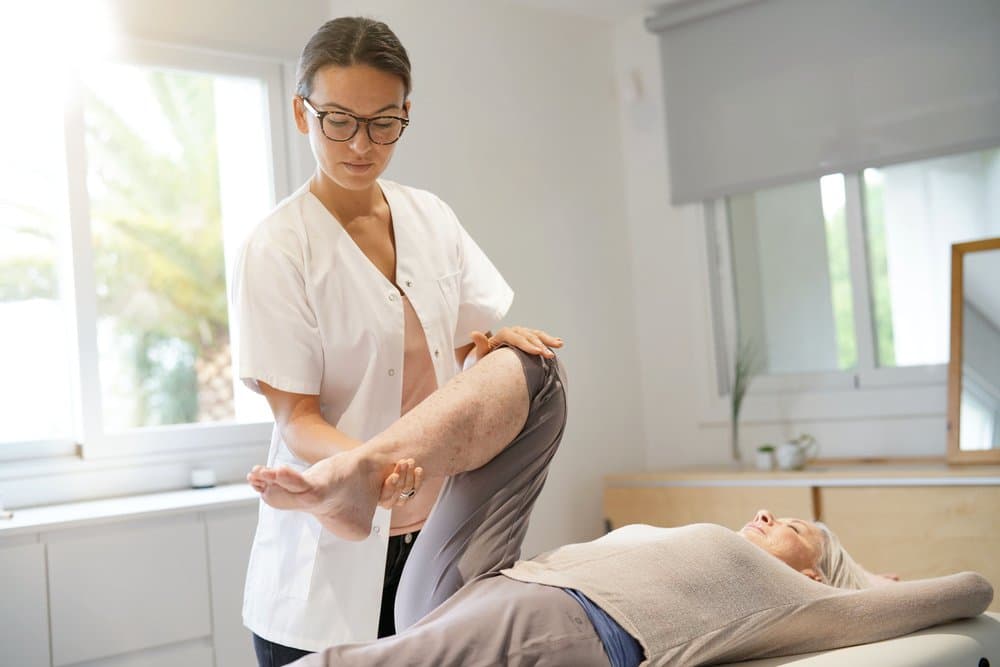
In knee osteoarthritis the surrounding muscles have usually become weak and the joint stiff, which makes it hard to walk, kneel, bend, squat and sit down. Manual therapy and supervised exercise have significant functional benefits and may postpone or prevent the need for surgery. A complete plan usually combines passive treatments, where the joint is moved for you, with active ones, where you do most of the work — in the office and with at-home exercises — using techniques like massage, manual therapy, ultrasound, stretching and rehabilitative exercise.
If the ongoing problem is left alone, it keeps deteriorating; timely care may slow that and ease the pain. And if symptoms can't be controlled with these measures, injections or surgery may be the next conversation with your medical doctor.
Rheumatoid Arthritis
For many patients, rheumatoid arthritis has impacted their life so much that they rest most of the day and avoid hobbies they enjoy. Our goal is to get you back to doing what you love without struggling through immense pain. Before any adjustment, we'll ask about your medical history, your symptoms and what you've already tried. Answer openly — we're not here to judge you, we're here to build a plan that gives you a better quality of life.
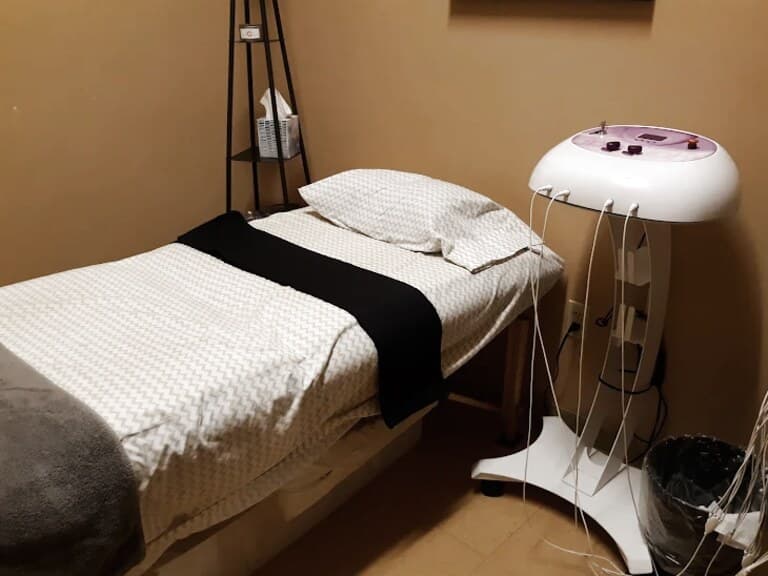
Besides joint and spine manipulation, care may include heat and ice therapy, massage therapy, electrical stimulation and rehabilitation exercises. Many of our patients are able to taper off some pain medications, or no longer need them at all.
Why Joints Pop
The sound you hear during an adjustment is called joint cavitation: a bubble forms in the joint fluid as the joint moves, then rapidly collapses. How loud it is doesn't matter, and it has little to do with how effective the treatment is. The adjustment opens up the joint space, increasing range of motion and circulation and easing muscle tension — often the real source of spinal and joint pain.
It's nothing like the loud crack of a ligament or tendon injury (and movie sound effects aren't realistic anyway). Chiropractors are trained to use very little force and keep the joint within a safe range of motion. Arthritic, previously injured or artificial joints can also pop or squeak because of scar tissue or wear — tell your chiropractor about any previous injuries or artificial joints. And if you don't hear a pop, it doesn't mean the care wasn't effective.
“Had a great experience. Staff is friendly and knowledgeable. I am looking forward to seeing great results on my treatment. I'd highly recommend LifeCare chiropractic.”
Your First Visit
According to research, the sooner arthritis is treated, the more likely you are to have less pain and stay active longer.
Expect a thorough conversation about your symptoms and medical history, followed by an examination. The appointment can take an hour or more, depending on your needs.
What brings you in, and how arthritis affects your daily life: what symptoms you have and how often; what makes them better or worse; activities that cause pain; where the pain is, how bad it is and what it feels like; whether pain leaves you sick, tired or angry; whether symptoms keep you from enjoying life; and any other symptoms like dry mouth, headaches or fevers. Even if a question seems irrelevant, there's a reason for it — then ask your own questions.
It may include a head-to-toe check, looking for signs of inflammation, checking your pulse, listening to your heart and lungs, and applying pressure to the joints. You may be asked to extend, flex, bend and stretch your joints, and the two sides of your body may be compared to see how you move.
Depending on your exam, imaging such as X-rays or MRI may be ordered. Once that's complete, we can decide on the best next steps with you.

No one should have to halt their life because of joint pain. Schedule an exam to see if our approach can benefit you.
New patient? Download your forms →James Bogash, DC · LifeCare Chiropractic
1830 S Alma School Rd, Ste 135, Mesa, AZ 85210